
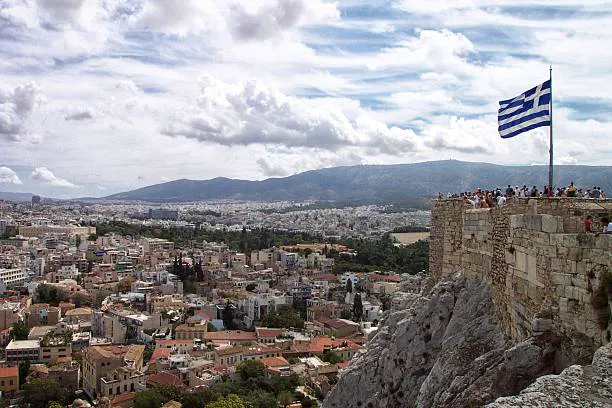
 Athens
In the capital of Greece, there are almost endless options to keep yourself entertained — from experiences that take you back to the past to those that let you discover its most modern side. And of course, there’s no shortage of fascinating things to see and learn about. Let’s explore some curious facts about Athens.
1. Cradle of Democracy
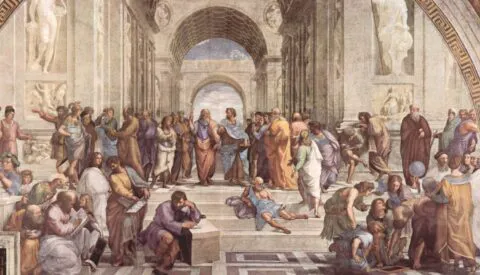 The Origin of Democracy
If today you can vote for your preferred party and speak publicly about matters of interest, Athens deserves thanks. Democracy was born here. Demokratia means a form of government by the people, from the Greek words demos (people) and kratein (to rule). Athens became the birthplace of modern democracy around the 5th century B.C., when citizens directly decided laws and policies.
2. Anafiotika – A Slice of Island Life in Athens
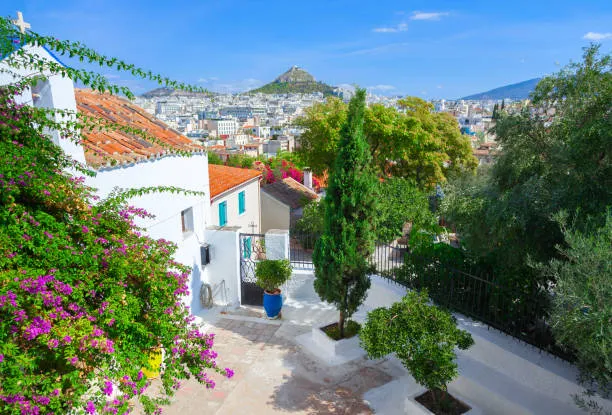 Anafiotika, Greece
Anafiotika is one of Athens’ most charming neighborhoods, located at the foot of the Acropolis. Its whitewashed houses, narrow cobblestone streets, colorful windows, and stairs recall the Greek islands. It was built by masons from Anafi island who moved to Athens to work on King Otto’s palace.
3. The Mask of Agamemnon
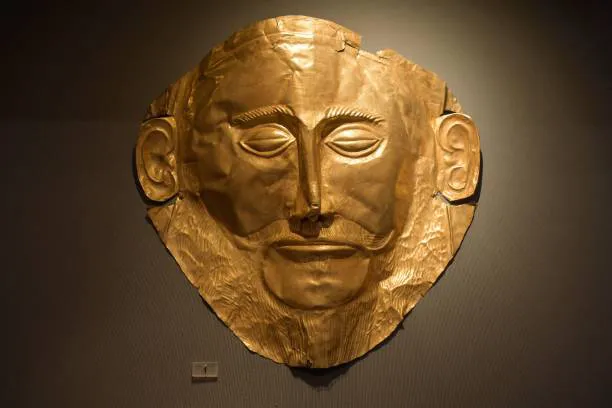 Gold mask of Agamemnon, National Archaeological Museum, Athens, Greece
One of the prized treasures of the National Archaeological Museum of Athens, the Mask of Agamemnon was found in Mycenae by Heinrich Schliemann in 1876. Though named after the legendary king, modern research revealed it was made about 300 years before Agamemnon’s time.
4. The First Modern Olympic Games
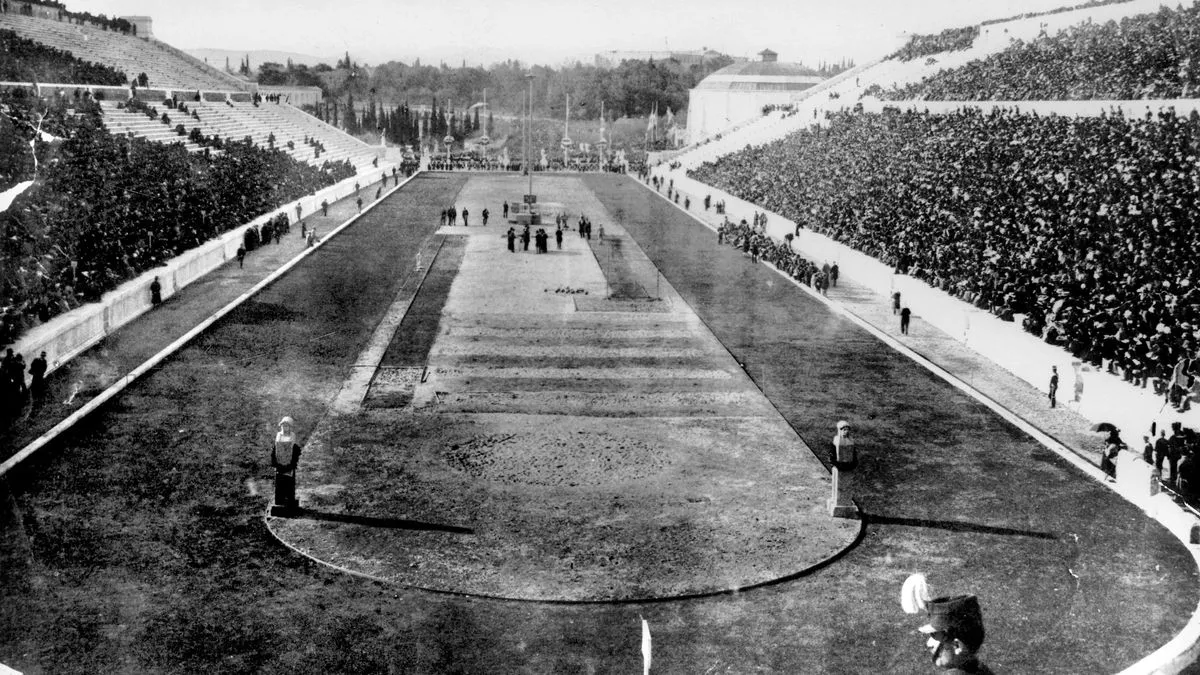 Celebration of the First Modern Olympic Games in 1896
While the Olympic Games originated in ancient Olympia, the first modern Games were held in Athens in 1896. The city hosted them again in 1906 and 2004, celebrating its deep connection to this tradition.
5. The Caryatids – Symbol of the Acropolis
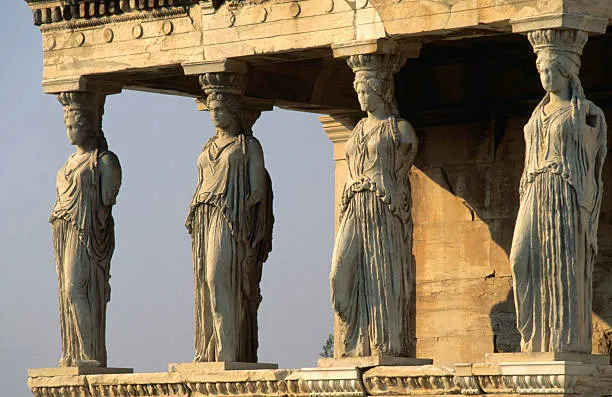 The Caryatids
The Erechtheion temple on the Acropolis is famous for its Caryatids — elegant female figures serving as columns. Each is unique, with different hairstyles, faces, and garments, representing the women of ancient Caria, known for carrying heavy loads on their heads.
6. Evzones – Athens’ Presidential Guards
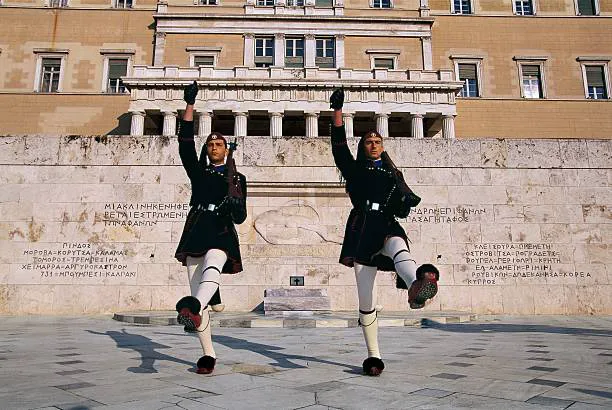 Evzones during the changing of the guard in front of Parliament, Syntagma square, Athens, Greece.
The Changing of the Guard at Syntagma Square is a spectacle, thanks to the Evzones. Wearing traditional uniforms with a 400-pleated skirt (fustanella) and pom-pom shoes, they stand as living symbols of Greek tradition and pride.
7. City of Gods and Goddesses
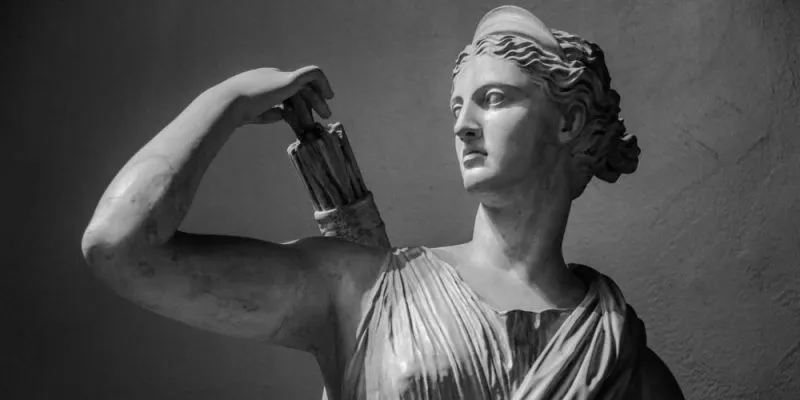 Artemisa
Ancient Athens was home to many gods and goddesses worshipped in temples across the city. The Acropolis, Athens’ spiritual heart, housed altars and temples dedicated to various deities. The Parthenon, the most famous of them, was built in honor of Athena Parthenos. Athens also pays tribute to Zeus, Apollo, and Artemis through temples, festivals, and works of art.
8. Legend of the Marathon
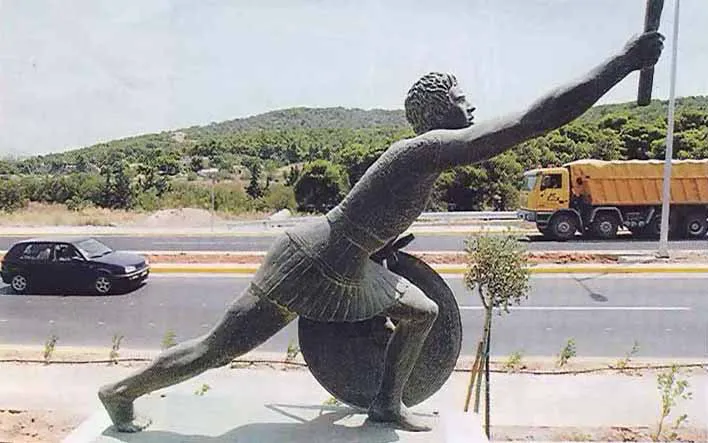 Statue of Pheidippides along the Marathon Road
The famous marathon race began in ancient Greece when a messenger ran approximately 42 kilometers from Marathon to Athens to announce victory over the Persians. According to legend, the soldier Pheidippides cried “Nenikékamen!” (“We have won!”) before collapsing from exhaustion.
9. City of Philosophers
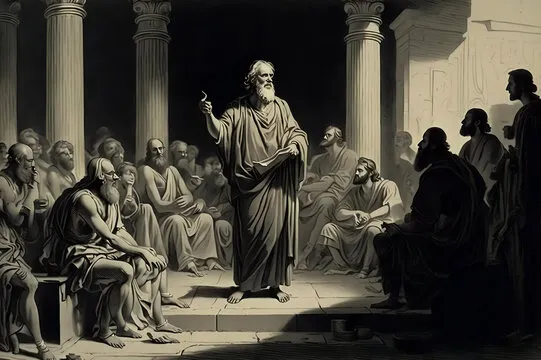 Socrates
Athens was the cradle of Western philosophy. In its squares, schools, and gardens, Socrates questioned life and knowledge through dialogue; Plato founded the Academy and wrote works such as The Republic; Aristotle, Plato’s disciple and tutor to Alexander the Great, developed ideas spanning ethics, logic, politics, and science.
10. The Legend of Theseus and the Minotaur
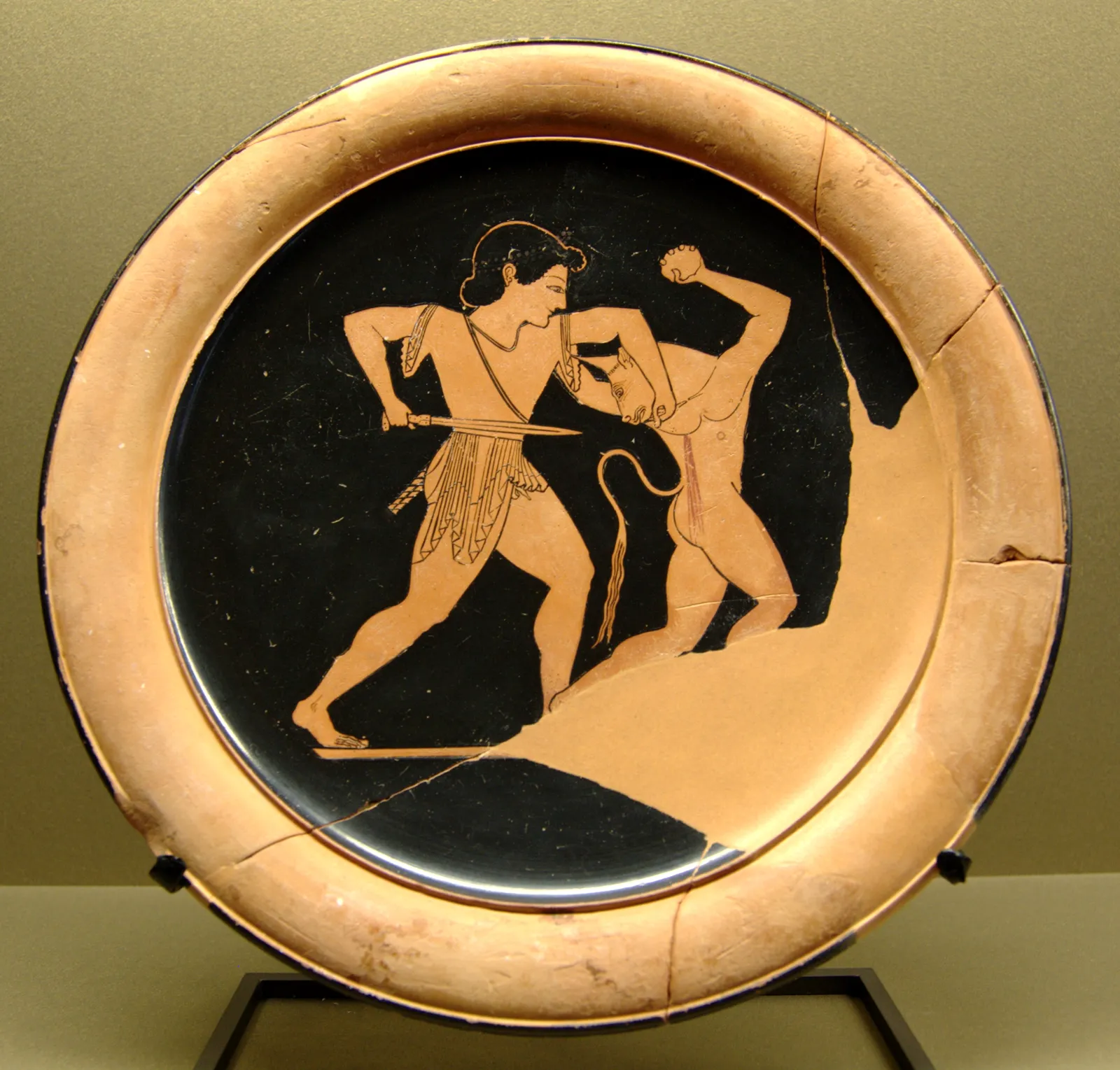 The Legend of Theseus and the Minotaur
One of Greek mythology’s most fascinating tales is that of Theseus and the Minotaur — a story of heroism, love, betrayal, and the triumph of human ingenuity. It symbolizes the eternal struggle between light and darkness, civilization and barbarity, and inspires generations to seek their own thread of Ariadne in life’s labyrinth.