
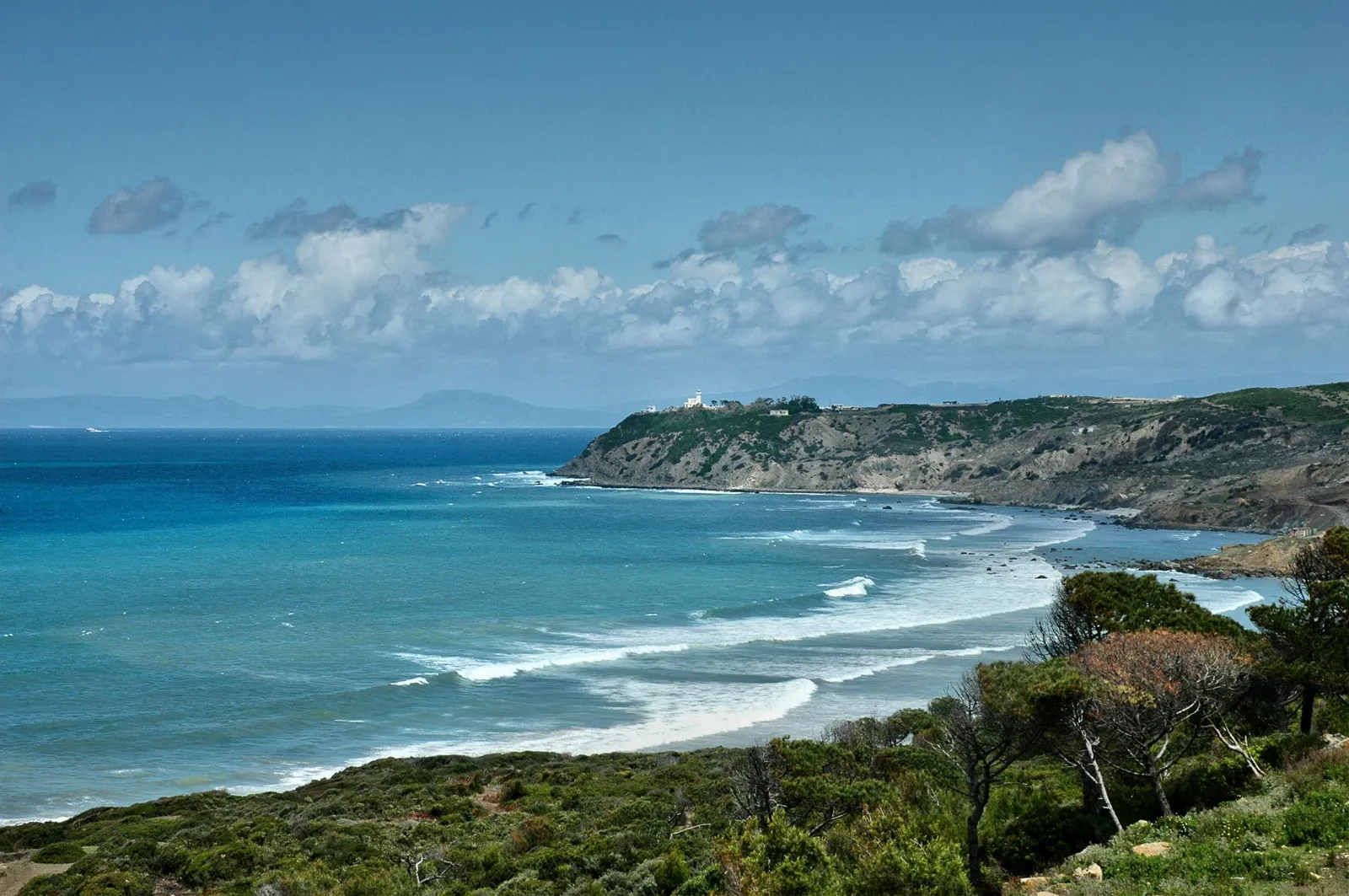
 Los Cabos Los Cabos is one of Mexico’s top tourist destinations, located at the southern tip of the Baja California Sur peninsula. Be amazed by its stunning landscapes where the sea and land meet. You can enjoy activities such as surfing, paddle-boarding, kayaking, snorkeling, and diving. Explore Cabo Pulmo National Park, an impressive marine sanctuary famous for its coral reefs and rich marine biodiversity. On land, it’s essential to visit the historic center of San José del Cabo, where you’ll discover history in every cobblestone street and Spanish colonial building. Delight your palate with its extraordinary gastronomy, home to a wide variety of restaurants that fuse national and international flavors. Los Cabos offers endless activities you can’t miss! Here are our top 5 essential plans in Los Cabos:
The Arch of Cabo San Lucas: “Land’s End”
The Arch of Cabo San Lucas is a famous rock formation in Los Cabos, also known as Finisterra or Land’s End. This natural icon marks the exact point where the Pacific Ocean and the Sea of Cortez meet. Tips for visiting the Arch of Cabo San Lucas:
- Visit in the morning when the tide is calm, and there are fewer tourists.
- Swimming directly to the Arch is not recommended due to dangerous currents and is prohibited by the port authorities.
- With a little luck, when the tide is very low, you might be able to reach the Arch on foot—but this is rare.
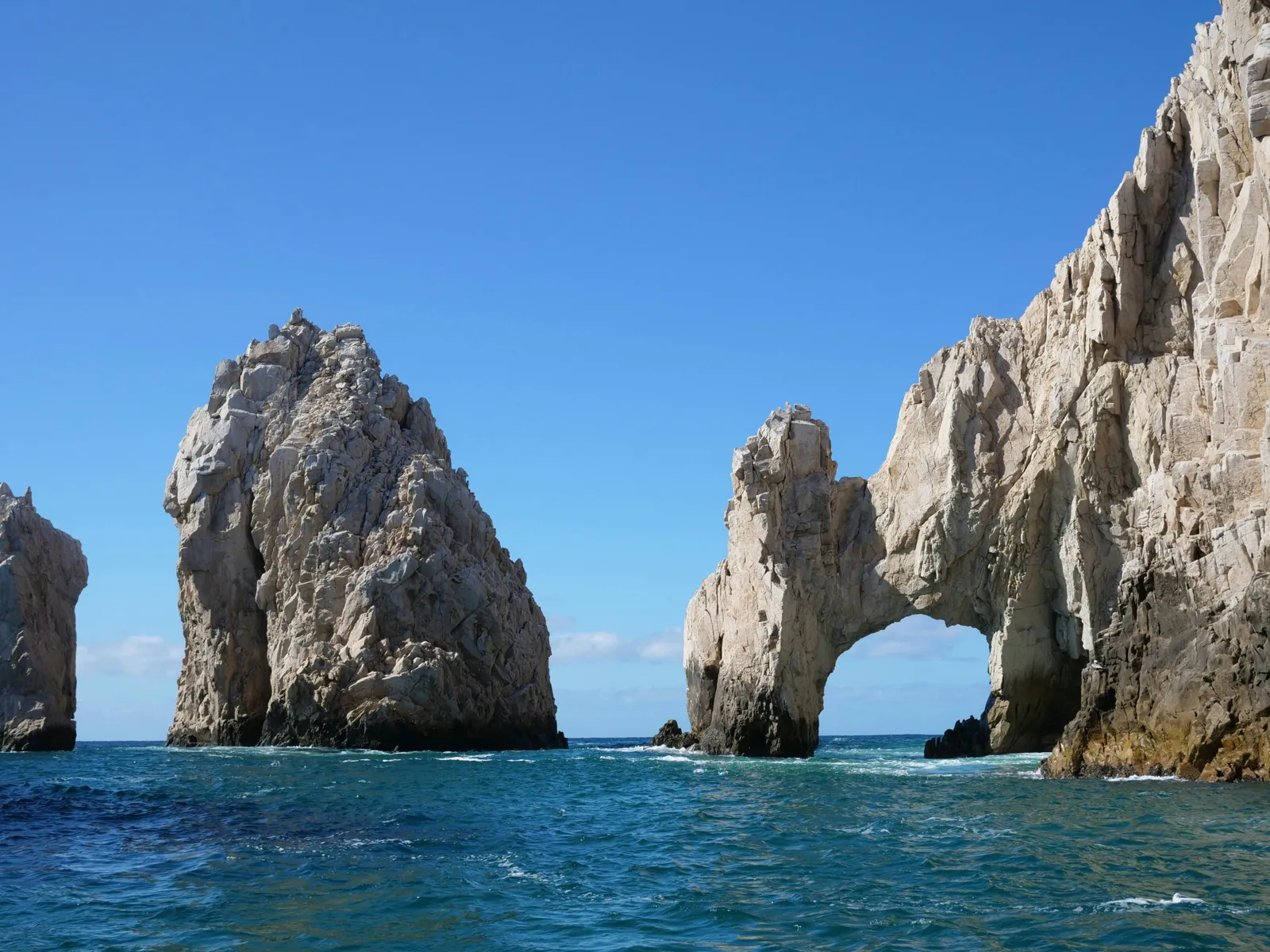 The Arch of Cabo San Lucas
Lover’s Beach & Divorce Beach
Lover’s Beach is located near the Arch of Cabo San Lucas, a magical spot nestled between rock formations where the Sea of Cortez and the Pacific Ocean meet. It’s only accessible by water. Divorce Beach is located right next to the Arch, facing the Pacific Ocean. It’s known for its strong waves and open sea, making it one of the most dangerous beaches for swimming. Tips for visiting Lover’s Beach and Divorce Beach:
- Bring snacks and plenty of water; there are no restaurants nearby.
- Check sea and tide conditions beforehand, as access can be dangerous due to strong waves.
- Respect nature: don’t litter, protect wildlife, and avoid polluting the environment.
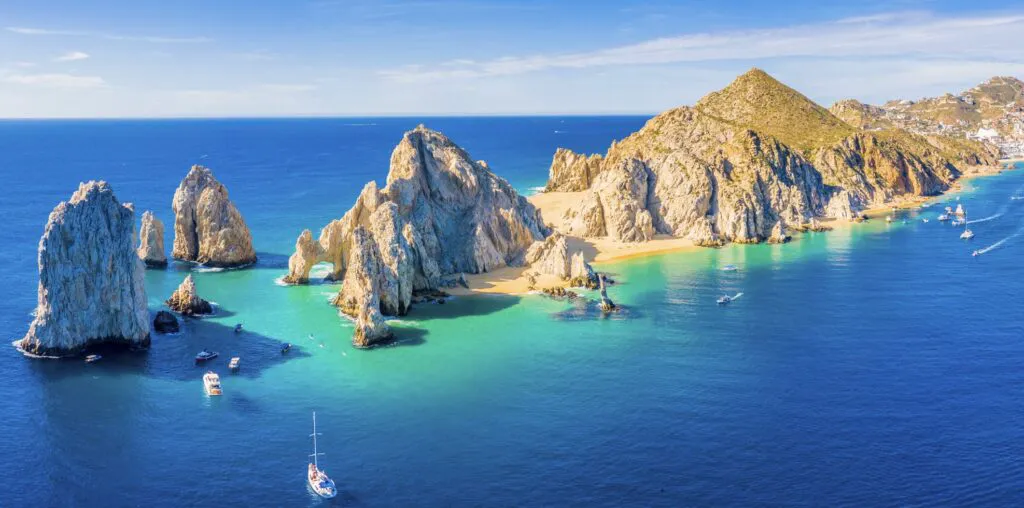 Lover’s Beach & Divorce Beach
Estero de las Palmas Wetland
The Estero de las Palmas Wetland is a State Ecological Reserve, internationally recognized and included in the RAMSAR list of wetlands of global importance. This unique freshwater lagoon connects with the salty waters of the Sea of Cortez, creating a one-of-a-kind habitat for local vegetation and wildlife. It’s also a key spot for birdwatching, serving as a resting and nesting area for both resident and migratory birds crossing the Sea of Cortez. Tips for visiting the Estero de las Palmas Wetland:
- The best times to visit are early in the morning or at sunset to capture amazing wildlife moments.
- Bring binoculars to enjoy the birds and other animals without disturbing them.
- Protect the environment: don’t litter, and don’t feed the animals, as the ecosystem is fragile.
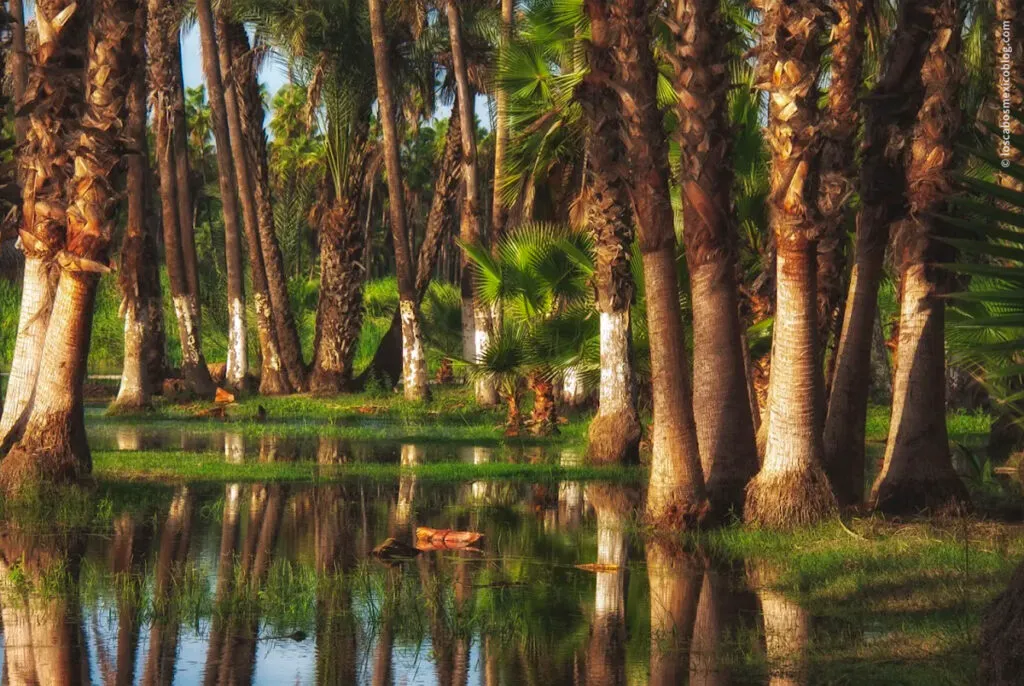 Estero de las Palmas
Natural History Museum of Cabo San Lucas
Located in downtown Cabo San Lucas, this museum was once the first primary school in the area and now shares the natural and cultural history of the southern tip of Baja California. Exhibits include:
- Archaeology: Featuring skeletal remains of a Pericú woman, from the indigenous group that once inhabited the region.
- Paleontology & Geology: Showcasing fossils, flora, fauna, and the region’s geological evolution.
- Marine Biodiversity: Highlighting gray whale migration, dolphins, and sea turtle conservation.
Tips for visiting the Natural History Museum of Cabo San Lucas:
- Check schedules and entrance fees as they may vary.
- Plan 1–2 hours for your visit.
- Ask about workshops or temporary exhibits.
- Visit Plaza Amelia Wilkes nearby, where you’ll find a whale skeleton.
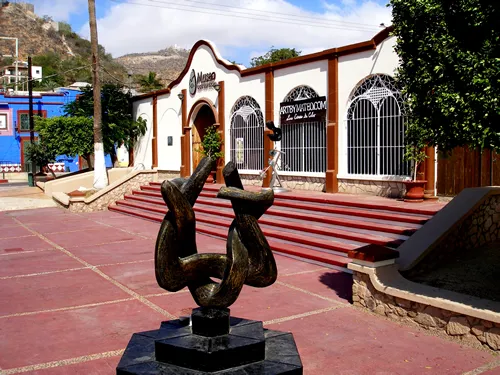 Natural History Museum of Cabo San Lucas
Gray Whale Watching
From January to March, these majestic creatures visit Mexico’s coasts to reproduce, creating one of the country’s most spectacular natural shows. The best places to embark are López Mateos and San Carlos. Gray whales travel thousands of kilometers from the cold Arctic waters to the warm waters of the Sea of Cortez to mate and give birth. Tips for enjoying gray whale watching:
- Book in advance, especially if you’re traveling during peak season.
- Bring a raincoat or light jacket to protect yourself from sea spray and the ocean breeze.
- Don’t forget a camera and binoculars to admire the whales without disturbing them—and carry a splash-proof case.
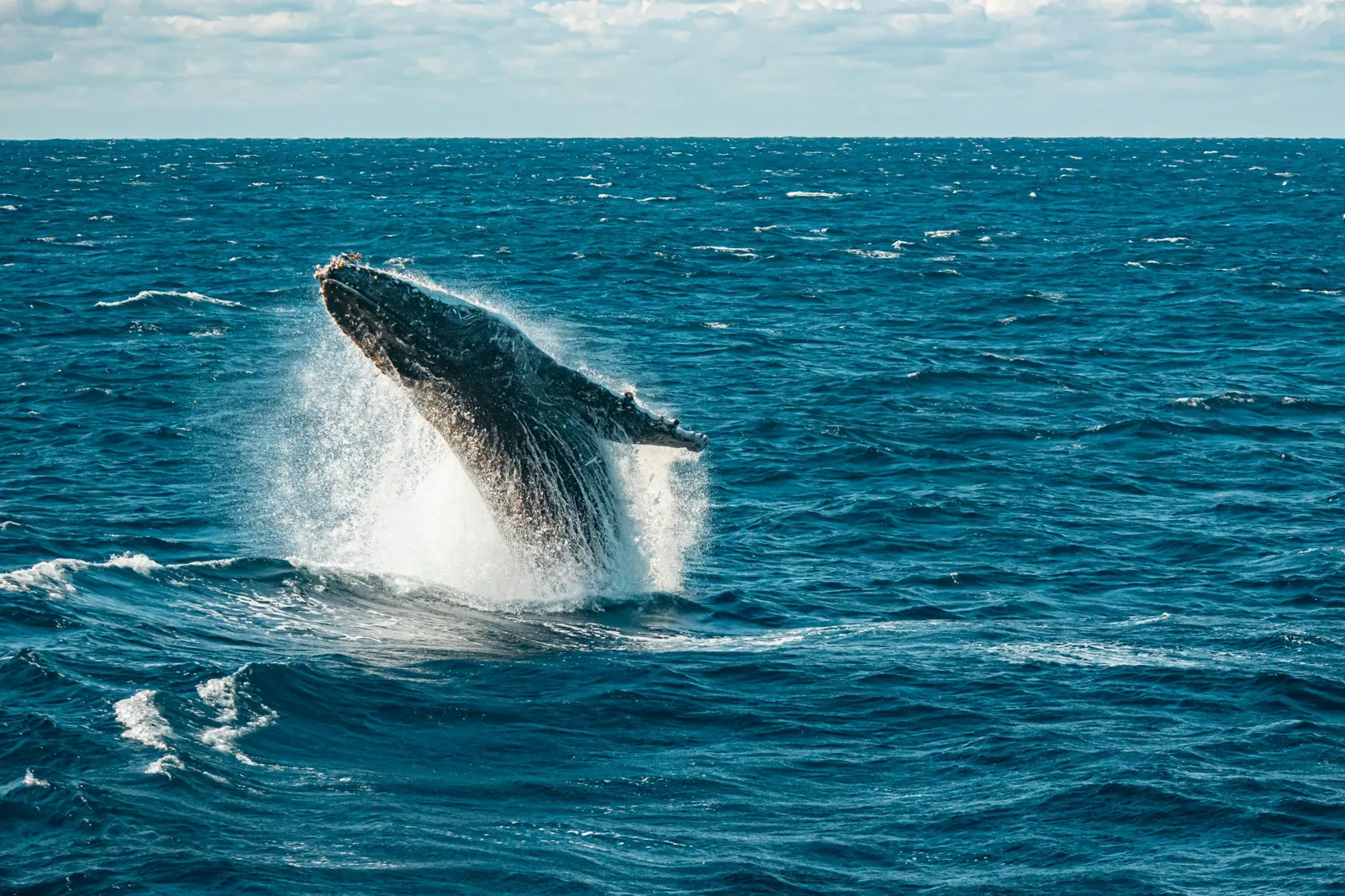 Gray Whale Watching Los Cabos is a destination that perfectly blends sea, desert, and culture. Whether you’re exploring its natural wonders, enjoying outdoor adventures, or discovering its history and gastronomy, these 5 plans are just the beginning of everything Los Cabos has to offer.