
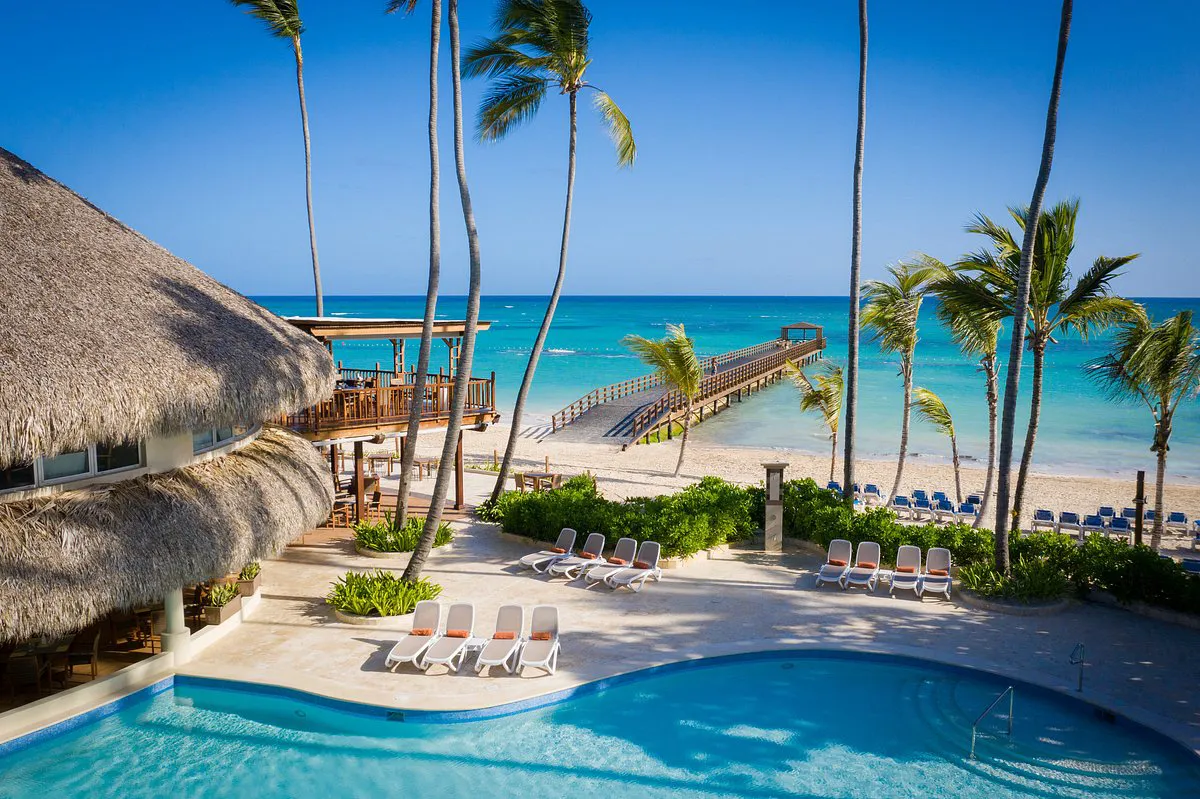
 Punta Cana When travelers picture “Caribbean paradise,” it’s hard not to think of Punta Cana. Nestled on the eastern tip of the Dominican Republic, this resort region has become one of the most recognizable and beloved tropical getaways in the world. Below, we’ll take you through essential information about Punta Cana, its geography, history, culture, practical tips, and show why it’s a great idea for many types of travelers.
Punta Cana
Punta Cana is located in La Altagracia Province, in the far east of the Dominican Republic. The name “Punta Cana” is said to derive from the cana palm, which was abundant in the area for centuries. One of its biggest physical draws is the coastline: sparkling white-sand beaches stretch for dozens of kilometers. In fact, Punta Cana boasts one of the longest stretches of beach in the Caribbean, some sources cite around 48 km of coastline with coconut-lined shores. (godominicanrepublic.com) From Uvero Alto in the north to Cap Cana in the south, you’ll find many different beach zones, each with its own character. To serve this booming tourism region, the area is anchored by Punta Cana International Airport, located just a few kilometers inland. This airport is privately owned and was one of the first of its kind in the Western Hemisphere.
How was Punta Cana born?
Interestingly, Punta Cana was not a historic colonial town or port. In the late 1960s and early 1970s, Dominican and foreign investors, including Frank Rainieri and Ted Kheel, began to buy large tracts of undeveloped land in what was then a wild, coastal frontier. Their vision: create a resort destination. Over time, infrastructure, hotels, and amenities sprung up, transforming the region into a major tourism hub. By 1984, the Punta Cana International Airport was operational, further accelerating growth. From just a few thousand annual visitors in the early days, Punta Cana now hosts millions of tourists each year. 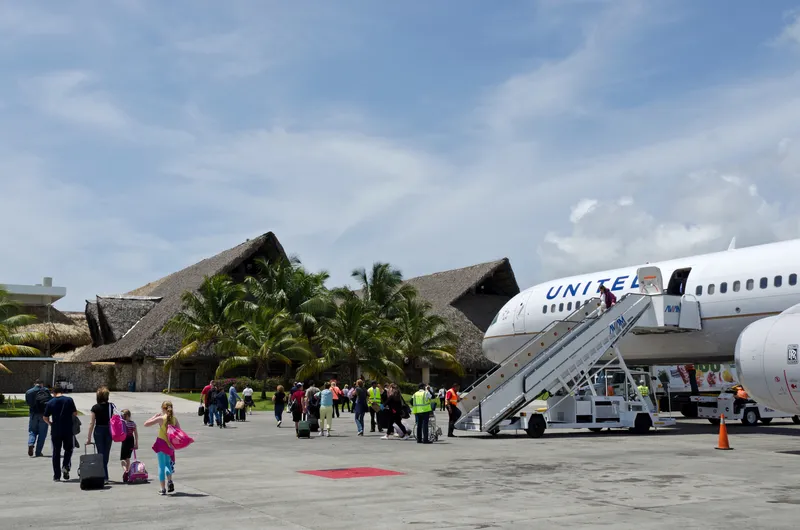 Punta Cana International Airport The region also takes some pride in environmental and community initiatives. The Puntacana Foundation, for example, operates ecological reserves, supports local education, and runs a health clinic.
What to Expect in Punta Cana: Beaches, Activities & Culture
Beaches & Coastal Life
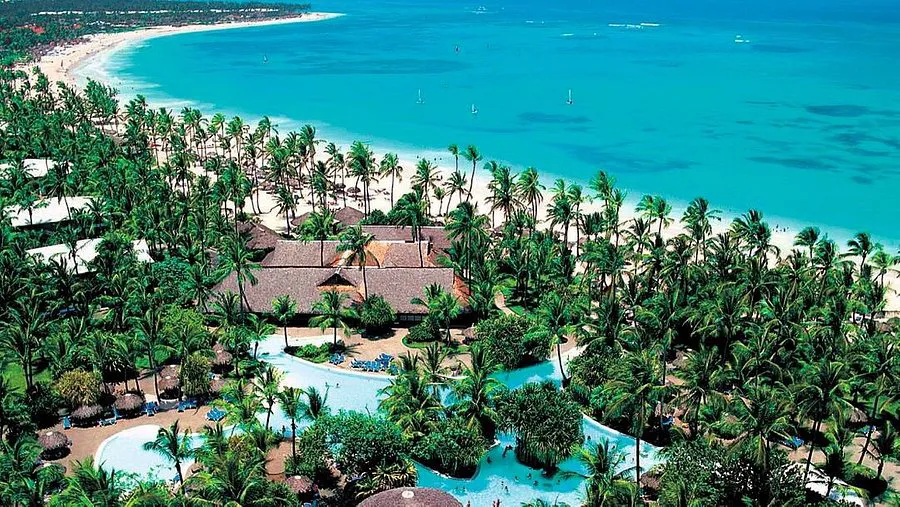 Playa Bavaro in Punta Cana The beaches are the central attraction in Punta Cana. Soft white sands, clear turquoise waters, and a generally gentle drop-off make them ideal for swimming, sunbathing, and water sports. Playa Bávaro is among the most famous, often listed among the best beaches in the Caribbean. Other beaches like Arena Gorda, Macao, Uvero Alto, Juanillo, and Cap Cana each offer different vibes: some quieter, some busier, some prime for water sports. Because Punta Cana lies where the Atlantic Ocean meets Caribbean waters, you often get a beautiful mix of currents, color gradients, and marine biodiversity to explore.
Activities & Excursions in Punta Cana
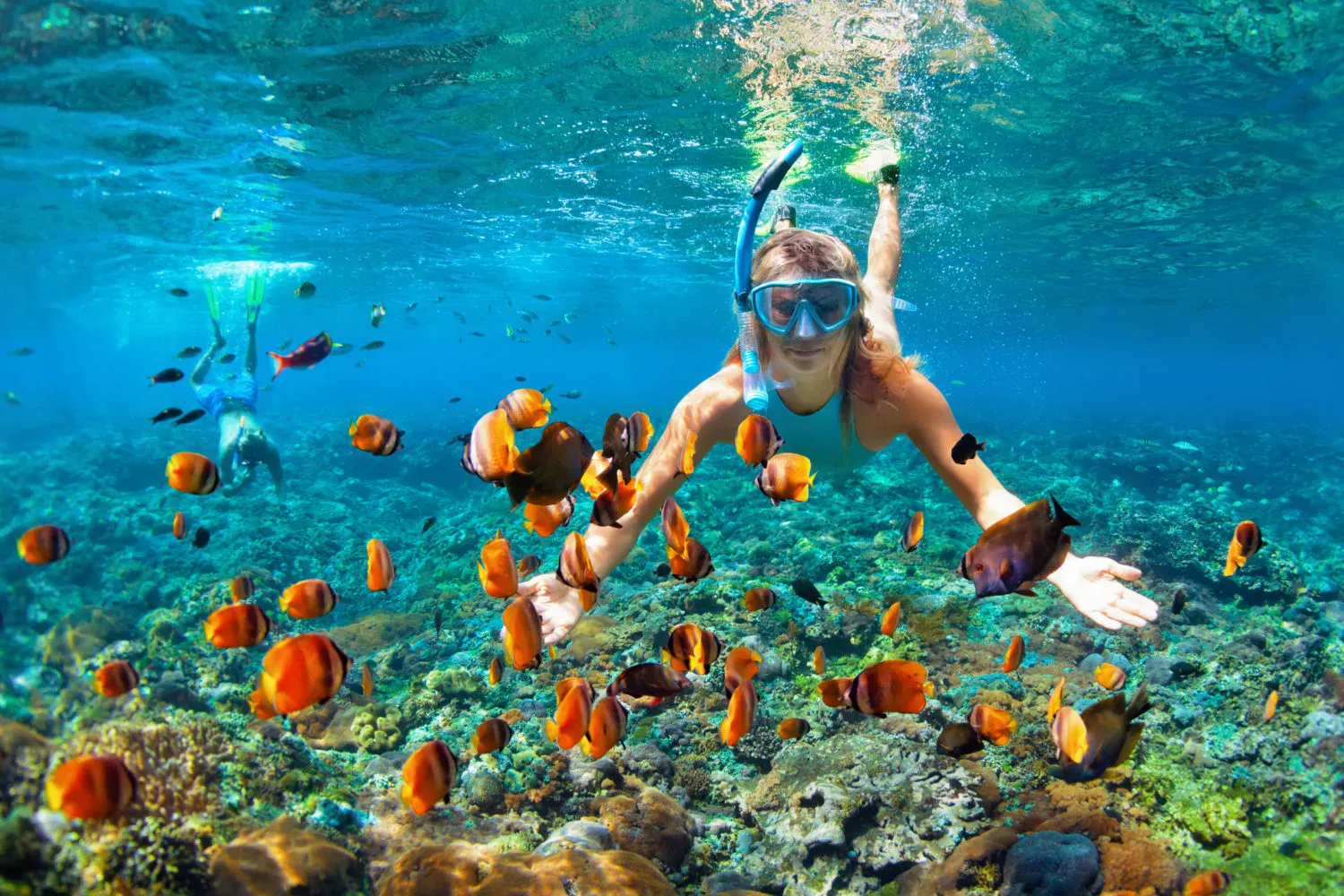 While many visitors are happy to relax, there is plenty to do: Snorkeling / Scuba diving. Reefs, marine reserves, and clear waters make this a favorite pastime. Boat trips to nearby islands. Saona Island and Catalina Island are popular full-day or half-day excursions. Water sports. Windsurfing, paddle boarding, sailing, jet skiing, speedboats, banana boats and more. Land tours. Safari-style adventures, zip lines, horseback riding, ATV rides, and visits to local towns in the interior. Golf & luxury resort amenities. Many resorts include top-tier golf courses, spas, fine dining, entertainment, and full-service amenities. Cultural side trips. A visit to the historic city of Santo Domingo (a few hours away) or to Higüey, with its local markets and the Basilica of La Altagracia.
Culture & Local Life
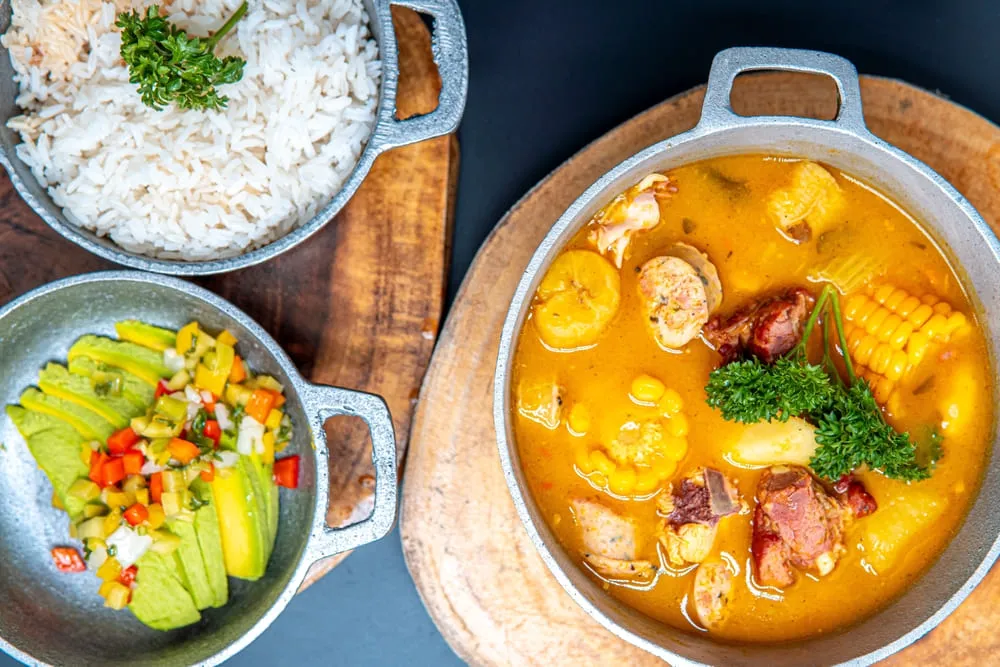 Traditional Punta Cana Food Though Punta Cana is frequently thought of as a “resort bubble,” there are Dominican traditions and local influences woven into the experience. Local music, merengue, bachata, flavors events. Restaurants often serve traditional Dominican and Caribbean cuisine (seafood, plantains, tropical fruits). Outside the resorts, small towns show the everyday life of Dominicans.
Why It’s a Great Idea to visit Punta Cana!
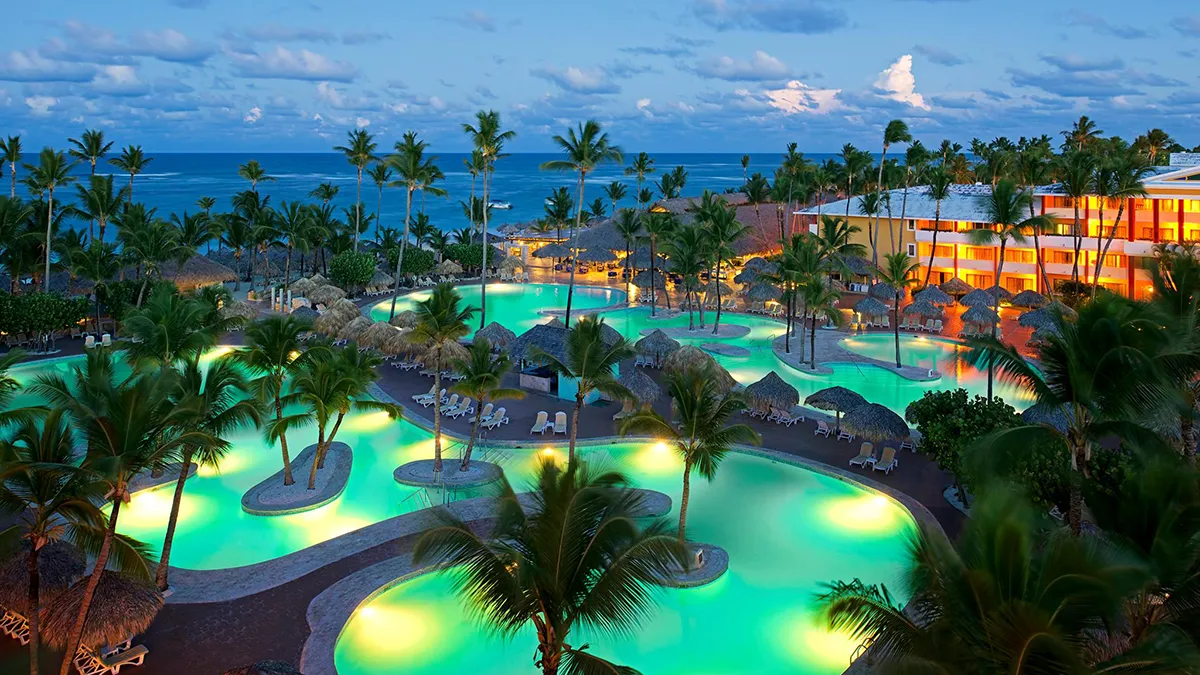 Ease & accessibility With a major international airport right there, many travelers can book direct or connecting flights and arrive without complicated transfers. Variety of experiences Whether you seek relaxed beach time, luxury resort indulgence, water sports, or day tours, Punta Cana offers a mix. All-inclusive resorts Many hotels operate under the all-inclusive model, so food, drinks, entertainment, and transfers can be bundled, simplifying logistics. Safety (relative to regional norms). In general, Punta Cana is considered safer than many other parts of the Dominican Republic for tourists. Tourist areas and resorts often have strong security presence. Good climate The tropical climate is warm year-round, with average temperatures around 26 °C. While there is a wet season (May to October), even then many days remain bright and usable.
Things to Keep in Mind when coming to Punta Cana
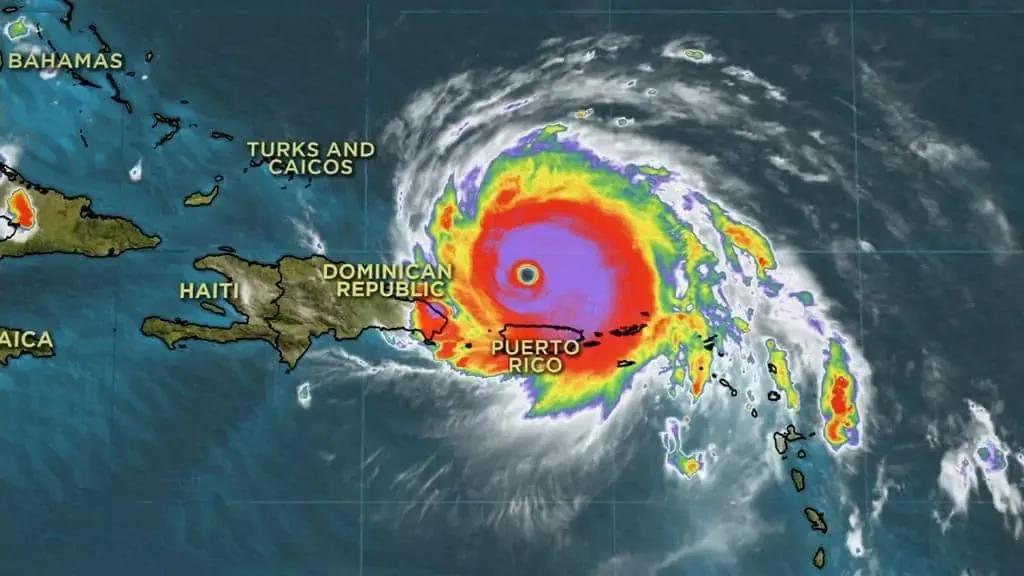 Cost can be high While there are budget options, resorts and luxury properties often command premium rates. Over-reliance on resorts The “resort bubble” means it’s easy to stay insulated from local life. To get a richer experience, venture out. Safety still requires caution Though safe generally, petty theft, scams, and caution at night are still wise. Know about the weather Hurricanes and tropical storms can strike during the Atlantic hurricane season (June to November). Check out the best seasons to visit Punta Cana.
Tips for Visitors & Getting the Most Out of Punta Cana
 Choose the right location: Decide if you want to be in a lively, amenity-rich beach like Bávaro or quieter zones like Cap Cana or Uvero Alto. Book your Punta Cana Airport Transportation in advanced. It's always a good idea to have your travel arrangements ready ahead of time. Book excursions in advance: Popular trips to Saona or inland tours tend to fill up. Use reputable operators: Stick to licensed guides or tour companies to avoid scams. Explore beyond the resort: Visit local towns, markets, and eat where locals eat to deepen your experience. Check the season & weather: Understand peak, shoulder, and off-peak times to aim for lower crowds and better deals. Respect local culture & environment: Support local businesses, avoid unnecessary plastic, and follow guidelines in nature zones. Punta Cana is more than just pretty beaches, it’s a well-developed, accessible tropical destination with a remarkable blend of natural beauty, resort comfort, and options for adventure. For travelers who want a Caribbean escape with both relaxation and varied activities, Punta Cana checks many boxes. Whether you're seeking a family getaway, romantic retreat, or simply time to unwind under palms with turquoise water lapping the shore, Punta Cana is a destination worthy of your consideration.