
On June 3, 2025, an American Airlines Boeing 787‑9 carrying 231 passengers and 11 crew from Philadelphia was unable to land at Naples’ Capodichino Airport. The flight had to divert to Rome–Fiumicino, about 140 km away, after Naples officials rejected the landing at the last moment 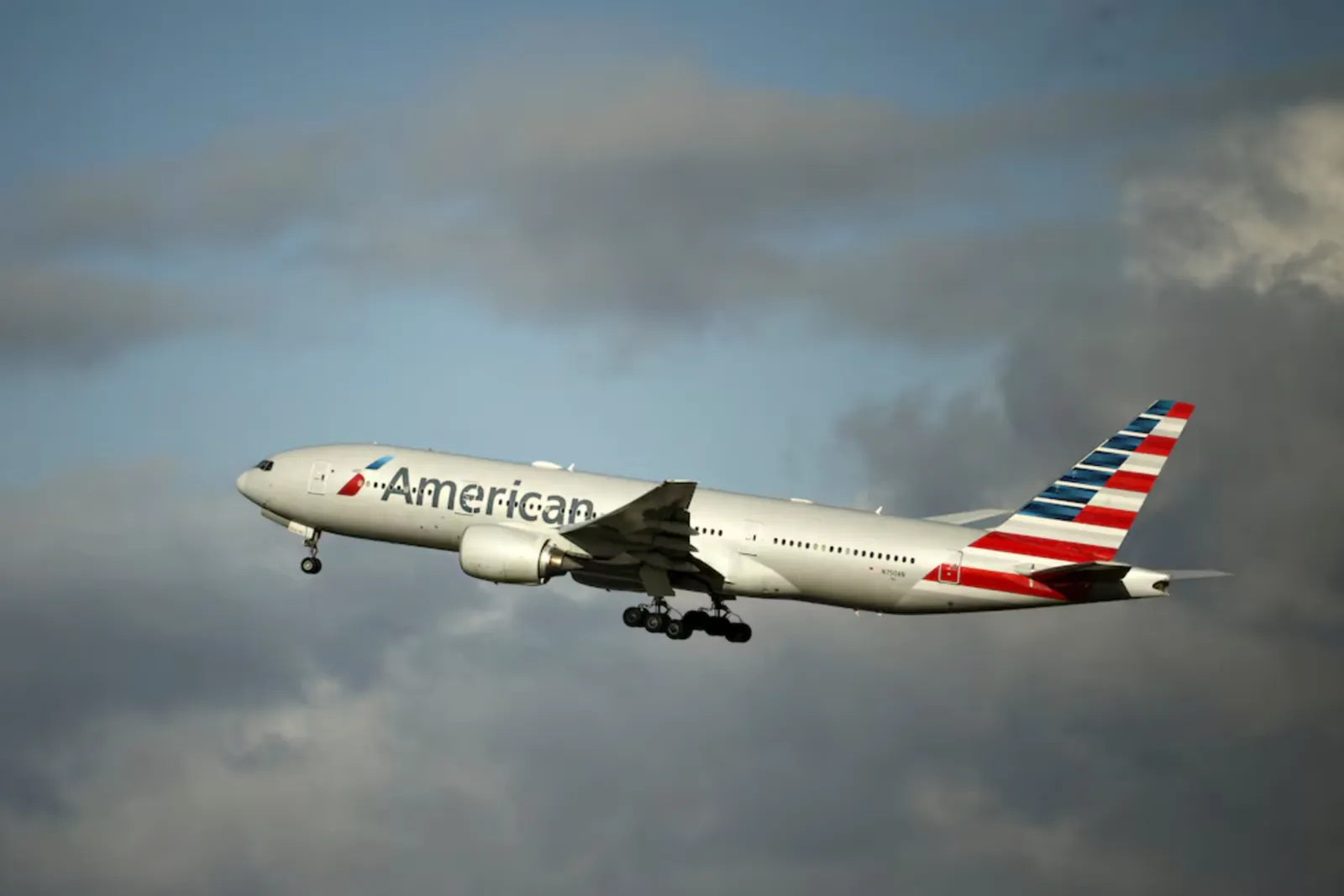 American Airlines Boeing
Why the 787‑9 Was Declined
Although similar Dreamliner flights to Naples typically use the shorter Boeing 787‑8, which complies with the airport’s Rescue & Firefighting category (RFFS Category 8), this flight used the larger 787‑9. This version is six meters longer, about 62.8 m vs. 56.7 m, and exceeds the airport's Category 8 operational limits by two meters Because Naples lacks RFFS Category 9 infrastructure required for aircraft over 61 m, the airport couldn't guarantee runway safety or meet regulatory conditions for emergency response. As a result, landing the larger aircraft was deemed too risky
Passenger Experience & Airline Response
 Rome-Fiumicino Airport The diversion occurred when the aircraft was about 60 km offshore. After landing in Rome, passengers faced a three-hour bus journey back to Naples. (American Airlines issued an apology, citing “unforeseen operational limitations” and pledged to reassess aircraft assignments for upcoming summer flights .
Broader Implications for Airports
The incident underscores ongoing challenges for airports with limited infrastructure, especially those near urban zones or sharing runways with military facilities, like Naples. Similar diversions have occurred in Europe: Santorini (2018) with an A340, and Florence (2023) with a Boeing 777. These events highlight the importance of coordinating aircraft type selection with airport readiness to ensure compliance and passenger safety .
Technical & Regulatory Background
Aircraft size matters: The 787‑9’s extra length demands more runway space, larger turning zones, and enhanced emergency access. RFFS requirements: Airports are categorized (8, 9, etc.) under ICAO regulations based on the maximum airplane size they can support with firefighting/rescue capability. Naples qualifies only for aircraft up to approx. 61 m, while the 787‑9 exceeds that threshold Safety first: Adhering to RFFS limits ensures airport personnel and equipment can properly respond to emergencies involving widebody jets.
Key Takeaways for Airport Transportation Professionals
Aircraft alignment: Airlines must match plane type to airport category and runway specs. Infrastructure audits: Airports with single or aging runways should review RFFS upgrades before approving larger jets. Contingency planning: Clear diversion protocols are essential, including ground transport logistics for passengers. Stakeholder coordination: Stronger communication between airlines, airports, and regulators is vital, particularly during peak seasons. This case is a clear reminder to travelers and industry stakeholders alike: not all airports can automatically accommodate widebody aircraft, regardless of how technologically advanced they are. Effective planning, infrastructure alignment, and regulatory compliance are non‑negotiable for safe and seamless air travel. Regards, Airport Transportation Team